Closet Mold Removal in Trout Valley, IL
Mold removed from walls, shelves and flooring in your Trout Valley closet, with stored belongings assessed separately. Call 24/7 to arrange your closet assessment and cleanup.
- Closet moisture source checked
- Contained removal and HEPA cleaning
- Clothes and shelves assessed separately
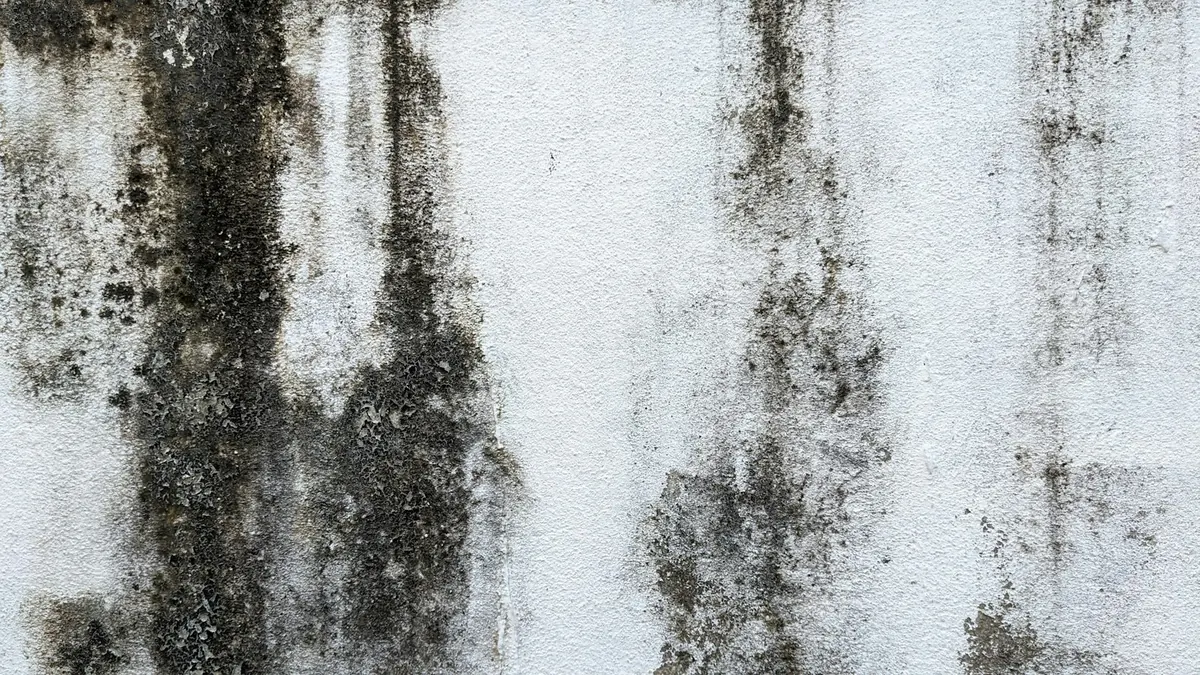
Trout Valley Closet Mold Removal Services
Your affected closet surfaces, from ceilings and walls to floors and shelving, are included in cleanup for walk-in, linen and bedroom closets. Separate checks of stored items keep affected possessions off cleaned surfaces.
Built-ins in your closet are opened when access to concealed baseboard moisture requires it. Sound wooden surfaces and shelves are cleaned, then dried. Damaged drywall or carpet pad and fiberboard that has swollen may require removal.
Leaks, condensation and damp clothes are assessed as possible sources. Your written scope of work defines cleanup and separate repairs. A utility closet with suspected HVAC contamination needs equipment assessment too.
- Closet wall and ceiling cleaning
- Built-in shelving and floor assessment
- Clothes, shoes and stored items assessment
- Contained work for drywall removal and bagged debris
- Drying with moisture checks and verification afterward
Closet Mold Removal: Signs to Look For
Hidden dampness may explain your musty closet, damp storage or spots that return.
Mold on a Closet Wall
You notice visible mold growth, water stains or peeling paint where clothes hang or along a corner on an exterior wall.
Growth Beneath Stored Boxes
Growth, damage or moisture shows on the carpet under cardboard boxes or on the boxes along your closet floor.
Swollen Closet Shelves
Shelf edges soften or swell, and staining appears behind a built-in organizer.
Musty Bedroom Closet
A persistent musty smell remains after clean laundry is removed, including near the floor or ceiling.
Damp Clothes and Shoes
Stored belongings feel damp or develop spots even though they went into storage dry.
How Closet Mold Removal Works
Assessment starts your closet cleanup; removal and drying lead to final verification.
Closet Assessment
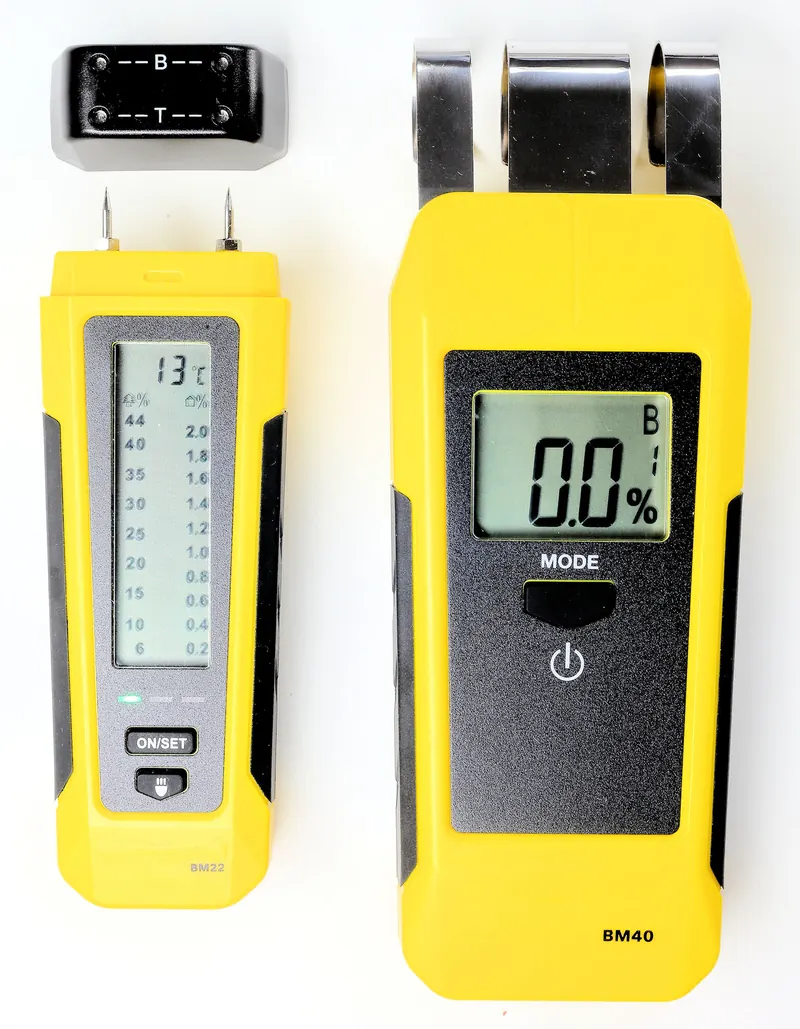
Assessment covers your belongings, flooring, shelves and walls. A moisture meter maps dampness; a thermal imaging camera can guide closer checks but cannot identify mold.
Moisture Source and Scope
Assessment covers closet ventilation, condensation and leaks. Your scope sets out surface cleaning, contents work and, if needed, leak repair as a separate task.
Closet Containment
A containment barrier uses poly sheeting. Protective equipment, negative air pressure and a HEPA air scrubber limit particle spread as appropriate to your scope.
Damaged Material Removal
Drywall, shelving and carpet pad beyond saving are placed in bags within containment. With protection along the removal route, shoes and clothes are sorted separately for decisions about cleaning.
Closet Surface Cleaning
Your non-porous surfaces, rods and sound wood get appropriate cleaning along with HEPA vacuum treatment. When appropriate, antimicrobial treatment adds to physical cleaning without taking its place.
Controlled Closet Drying
Air movers and a dehumidifier help with drying once removal and cleaning are complete. Your wall cavities and remaining wood are monitored through moisture readings before replacement of materials.
Post-Remediation Check
Containment removal follows cleaning, drying and the agreed post-remediation verification. An independent assessor performs clearance testing when specified; clean, dry belongings return after necessary repairs.
Why Choose Chicago Mold Removal Services for Closet Mold Removal
Calls Answered 24/7
Start your closet assessment through one number throughout the metro, with nights and weekends included.
Contained Closet Work
Containment and HEPA filtration are matched to your closet and the route through adjoining rooms.
Removal Through Final Checks
Damaged materials come out and sound surfaces receive cleaning followed by drying, with verification required before containment removal.
Closet Moisture First
Your cleanup targets visible growth and its source by assessing condensation, damp storage and leaks.
Clear Work Details for Belongings and Walls
Before removal starts, your scope lists repairs, contents cleaning and closet surface work separately.
Before Closet Cleanup in McHenry County
Keep affected materials untouched while you arrange an assessment by phone.
- Limit closet access. Keep visible growth out of reach of pets and children.
- Leave shelving in place. Leave moldy surfaces undisturbed: no sanding, tear out or dry-brushing.
- Keep belongings contained. Leave affected clothing unshaken, and avoid moving loose moldy boxes through rooms in your home.
- Avoid blowing air on growth. Avoid operating HVAC equipment suspected of contamination or directing a fan into your closet.
- Address fresh water damage. For prevention of mold growth, dry water-damaged areas and items within 24 to 48 hours, as EPA advises.
Trout Valley, IL Closet Mold Removal Cost
These national mold remediation figures are comparisons, not closet-specific prices. Your price follows affected square footage, access behind shelving and stored belongings. Closet floor area alone does not describe the work.
Mold covering around 50 square feet
$500 to $1,500 per jobSource: Fixr, Mold Remediation Cost (checked 2026-10-23)Professional rate for areas over about 10 square feet
A square foot costs $10 to $30Source: Fixr, Mold Remediation Cost (checked 2026-10-23)Typical national range, average $3,500
$1,500 to $9,000 per jobSource: Fixr, Mold Remediation Cost (checked 2026-10-23)What Affects Your Closet Cleanup Cost
- Containment and drying equipment
- Separate contents cleaning
- Built-in shelving removal
- Affected square footage and access
- Moisture repairs and rebuilding
Pricing for Your Closet Mold Cleanup
These published national ranges are planning figures. Your on-site assessment defines the work and price before cleanup starts, including any separate source repairs or rebuilding.
Call (844) 352-3560 about costCloset Mold Removal Service Area Across Chicagoland
Call (844) 352-3560 to arrange cleanup in Trout Valley or nearby communities. One number covers the metro.
Closet Mold Removal in Locations Near Trout Valley
ZIP codes
Frequently Asked Questions About Closet Mold Removal in Trout Valley
Can closet shelves and drywall stay in place?
You can often clean and dry accessible wood and sound shelving. You may need to remove moldy drywall along with swollen fiberboard and damaged carpet pad. Accessing affected material behind built-ins may require opening the panels. Your scope separates removal from replacement shelves, paint and other finish repairs before work begins.
In McHenry County, how much does closet cleanup cost?
Assessment identifies affected flooring, belongings, walls and shelving to determine your price. You can find national ranges for mold remediation, including units and sources, in the cost cards above. Hidden damage or difficulty reaching behind organizers can alter the total, as can contents cleaning. Before work begins, you receive an explanation of the price and scope.
Does your closet need testing before cleanup or afterward?
According to EPA guidance, visible mold often requires no air sampling. Inspection and moisture checks establish the cleanup area. After removal, cleaning and drying are checked before containment comes down. If clearance testing is specified, an independent assessor performs it. Indoor mold levels have no limit established federally.
Will mold return after your closet is cleaned?
Mold can return if moisture remains. Before removal, your assessment investigates damp storage, condensation and leaks. Cleanup includes identifying necessary moisture corrections and drying the surfaces after cleaning. Only plumbing or ventilation repairs named in your scope form part of the work. Your closet must be ready before clean, dry belongings return.
How long does closet cleanup take in Trout Valley?
Your schedule is set after assessment of the surfaces, built-ins and stored belongings. Cleaning accessible shelving involves less work than opening walls and drying a cavity. Moisture readings guide drying time. Contents cleaning and finish repairs, along with replacement shelves, can influence when you put everything back.
Can moldy clothes and shoes be saved?
Some belongings can be cleaned, but every item needs assessment based on material and condition. Leather or delicate items may require specialist cleaning, while fabric care instructions determine treatment. Your scope identifies contents work separately from closet surfaces. Cleaned belongings are kept away from affected storage, and items that cannot be saved are separated.
Can you stay home during bedroom closet cleanup?
You might remain home if the work area and debris path are separated from rooms in use. Bedroom access may be restricted for you throughout containment, removal and drying. Before work begins, access and any need to relocate temporarily depend on household needs, shared ventilation and where your closet sits.
Insurance for Closet Mold Cleanup in Illinois
Your homeowners policy terms, deductible, mold coverage limits and cause of moisture determine coverage. Decisions for damaged possessions can differ from those for cleanup of the building itself.
Closet Mold Safety for Your Home in Chicagoland
Containment limits the spread of mold spores while shelving, finishes and stored belongings are disturbed.
Hidden Closet Damage
You need more assessment for possible growth behind built-ins; moisture readings indicate dampness without identifying mold.
Contaminated Water
Seek professional help, as EPA advises, for mold from sewage or another source of contaminated water.
Mold Color
According to CDC, you cannot judge mold risk by color.
Stored Belongings
Loose garments and cardboard with mold can release particles as you move them.
Cleanup scope: You can often clean an area under about 10 square feet yourself, EPA says. Professional assistance is needed when HVAC is involved, water damage is extensive or areas are larger.
Closet Materials Cleaned or Removed in McHenry County
Your affected belongings need their own checks; material condition decides what remains.
Non-porous surfaces
- Metal rods receive cleaning and drying, as do sound plastic bins and wire shelves.
Closet finishes and framing
- You may be able to clean sound wood; removal may be needed for swollen fiberboard, moldy drywall and carpet.
Clothes and keepsakes
- Fabric care labels and condition guide cleaning; leather, papers and delicate items may need specialist assessment.
Timing Your Closet Mold Cleanup in McHenry County
Your timing depends on removal and drying, cleaning belongings, then repairs after remediation.
- Built-in access: Shelving removal adds work when damaged material extends behind panels.
- Drying: Moisture readings establish when repairs can begin on your framing and wall cavities.
- Returning belongings: Your closet may be ready before specialist contents cleaning is complete.
Humidity and Odor in Your Chicagoland Closet
A musty smell is investigated at shelves, floor edges and concealed damp areas. Fragrance does not correct its source.
EPA recommends indoor relative humidity below 60 percent, ideally 30 to 50 percent. A closet door vent or dehumidifier does not replace leak repair.
Illinois Requirements for Closet Mold Cleanup
Closet Work Requirements
Illinois does not currently require mold remediation professionals to hold a state license. A Mold Remediation Registration Act (Public Act 103-0893) has passed, but the Illinois Department of Public Health says registration is not required until it finishes its rulemaking, so check its page for updates. If you are hiring someone, ask about their training and experience, and check your local contractor rules.
Building Repairs
Your permit obligations vary with the building, plumbing or electrical work planned.
Rental Closets
Renters should report leaks and visible mold to the property owner in writing and keep a copy.
State Mold Information
The Illinois Department of Public Health Toxicology Program answers mold questions mostly by phone and email ([email protected]) and posts mold fact sheets, FAQs, and exposure tips. Onsite visits are limited to special cases.
State guidance: IDPH: Mold Remediation Registration; IDPH: Indoor Air Quality and Healthy Homes
Related Services and Next Steps
Start Your Closet Mold Removal in Trout Valley
Call 24/7 to arrange your assessment. Your cleanup starts with the affected surfaces, moisture source and access to your home.